Template material rigidity
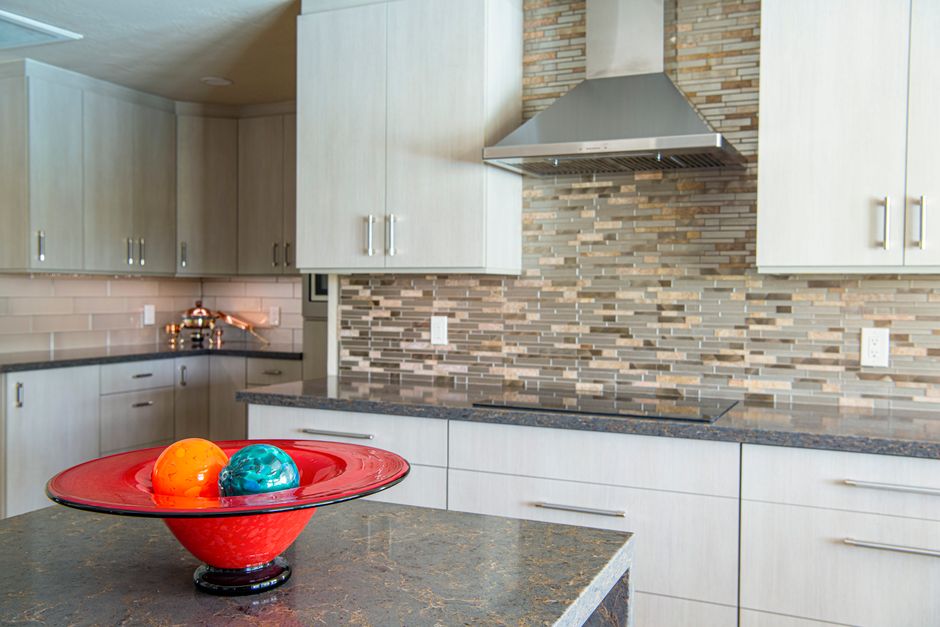
The waste is forty dollars. The precision is worth much more, and the details found at custom countertops hendersonville nc saber library show that a thin template fails during a sink cutout. A flimsy work surface in Hendersonville, NC leads to errors in the final slab dimensions.
Material Thickness and Deflection
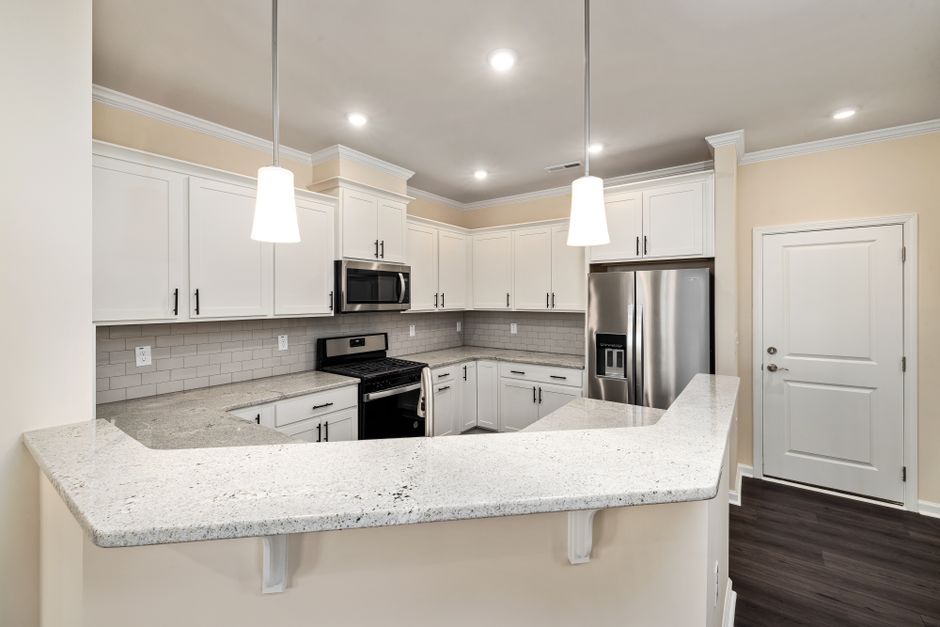
MDF is the standard for physical templating because of its density. A 3/4 inch thickness prevents bowing when the tool rests on the edge. If a template flexes, the seam placement will be off by several millimeters. This error becomes permanent once the granite is cut. A 1/2 inch board is often too flexible for large runs. Plastic or acrylic sheets provide moisture resistance, but thin sheets bend under the weight of a heavy tape measure. A rigid template ensures the overhang remains consistent across the entire length of the installation.
Managing Large Spans and Curves
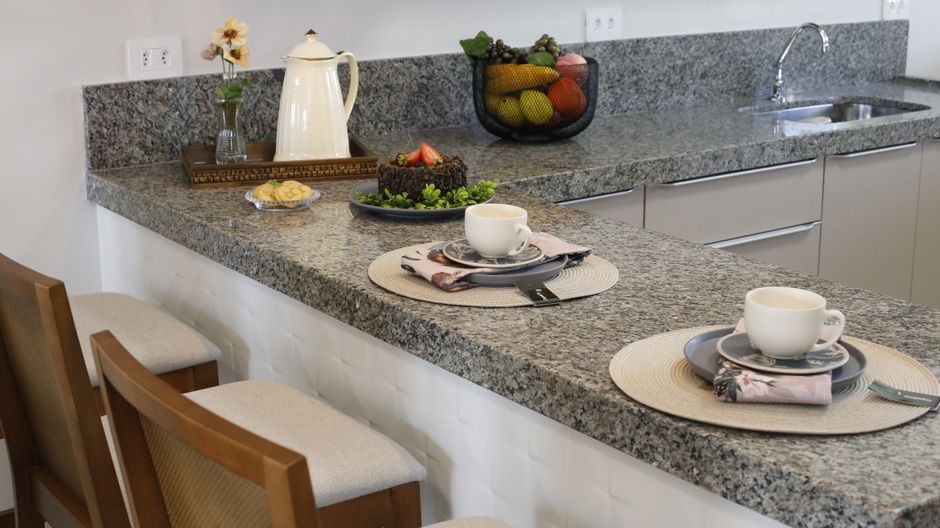
Long runs require thicker substrates to maintain a straight line. A thin piece of material will sag in the middle, creating a false curve. This curvature results in a gap at the seam during the final install. For a waterfall edge, the template must be perfectly square. Any deviation in the template thickness or stiffness alters the geometry of the stone. Using a digital template reduces these mechanical risks, but physical templates remain the fallback for complex shapes. A template must resist the tension of being pulled tight against a wall.
Sink Cutouts and Structural Integrity
An undermount sink requires a highly accurate cutout. If the template bows inward at the corners, the sink will not fit the opening. A rigid template allows for the exact marking of the sink cutout without shifting. This is especially true for heavy materials like quartz or quartzite. A template that warps during the transfer of measurements will cause the stone to be cut too small. A small error in the template diameter results in a sink that cannot be mounted properly to the cabinetry.
Edge Profiles and Final Tolerances
The edge profile depends on the physical accuracy of the template. Whether a bullnose or an eased edge is required, the template must define the boundary clearly. A flexible template creates a wavy line. This wave is visible on the finished slab. Even a tiny deflection in the template makes a straight edge appear crooked. A thick, stiff template provides the necessary resistance to ensure the edge profile follows the intended path. Stability in the material prevents the loss of expensive stone.