Mitre blade tooth pitch selection
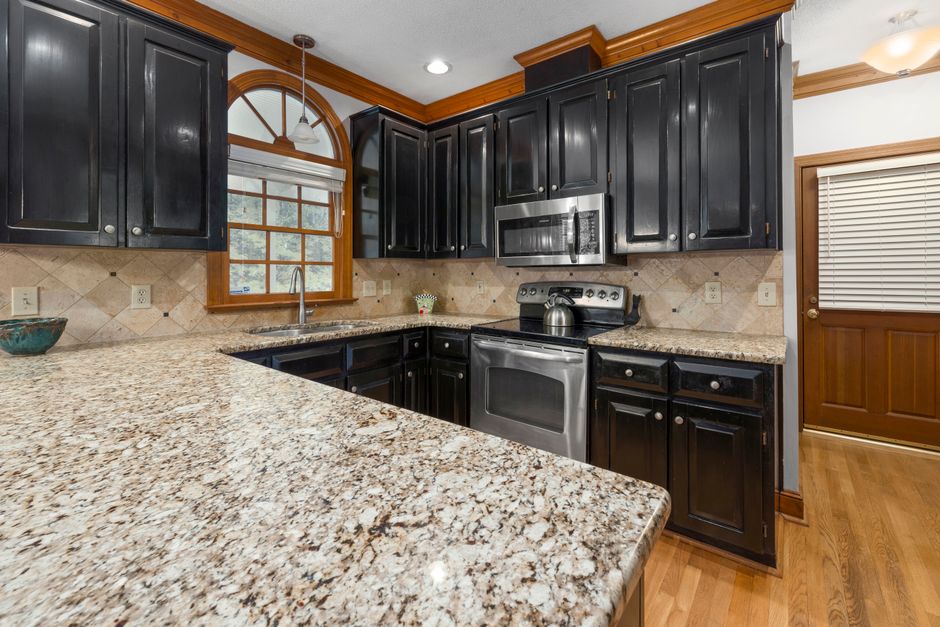
Under heavy tension, the fracture point of a stone slab changes. Details regarding the precision of a miter cut are documented within custom countertops hendersonville nc saber library, and the selection of the correct tooth pitch dictates the success of a seam. Each countertop in Hendersonville, NC requires specific blade geometry to avoid catastrophic chipping during the final beveling process. Maintaining a clean edge profile requires more than just a sharp blade. It requires a high tooth count to manage the vibration during the cut.
The Mechanics of Tooth Pitch

A low TPI blade creates large individual chips. When cutting through granite or quartz, a blade with too few teeth causes the material to lift and snap at the exit point of the cut. For a mitered edge, the blade must enter and exit the material with minimal impact force. A blade with 60 to 80 teeth per inch provides the necessary smoothness for a standard miter. If the material is a brittle quartzite, increasing the tooth count further prevents the micro-fractures that ruin an eased edge. The physics of the cut depend entirely on the frequency of the tooth strikes against the stone matrix.
Material Specificity and Blade Choice
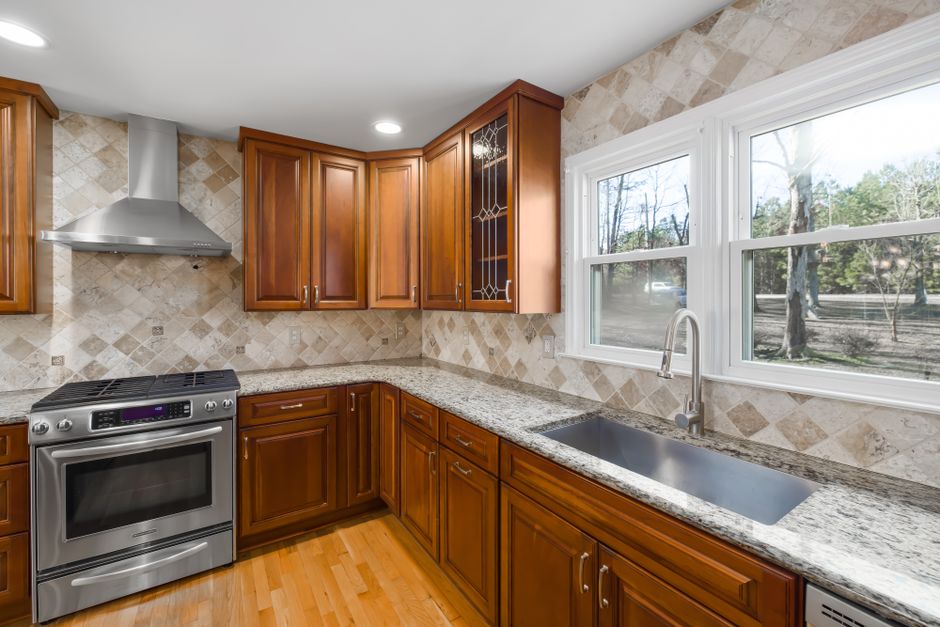
Porcelain and marble demand the highest density of teeth. These materials are prone to shattering if the blade speed is not matched to the tooth pitch. A blade designed for butcher block will fail immediately on a porcelain slab. For a sink cutout or an undermount sink installation, the blade must maintain stability through deep vertical descents. Using a coarse blade on a marble piece results in a jagged surface that requires excessive polishing. The goal is to minimize the amount of grinding needed after the initial cut is complete.
Managing the Mitered Edge
A waterfall edge requires a perfect 45 degree angle across the entire length of the piece. If the tooth pitch is too low, the corner of the miter will chip, making the seam placement visible and structurally weak. For a seam that remains invisible, the blade must slice rather than grind. Even on a remnant used for a small backsplash, the wrong TPI will create edge chipping that cannot be easily repaired. High TPI blades reduce the heat buildup that can cause thermal shock in certain stone types.
Final Cut Integrity
The transition from the top surface to the edge profile must be seamless. Whether the job involves a bullnose or a sharp miter, the blade density determines the final finish. A digital template ensures the measurements are correct, but the blade pitch ensures the physical material survives the cut. Precision in Hendersonville, NC shop environments relies on matching the tooth count to the hardness of the stone. A clean cut at the edge of a slab is the only way to ensure a professional result.