Silicone squeeze-out removal window
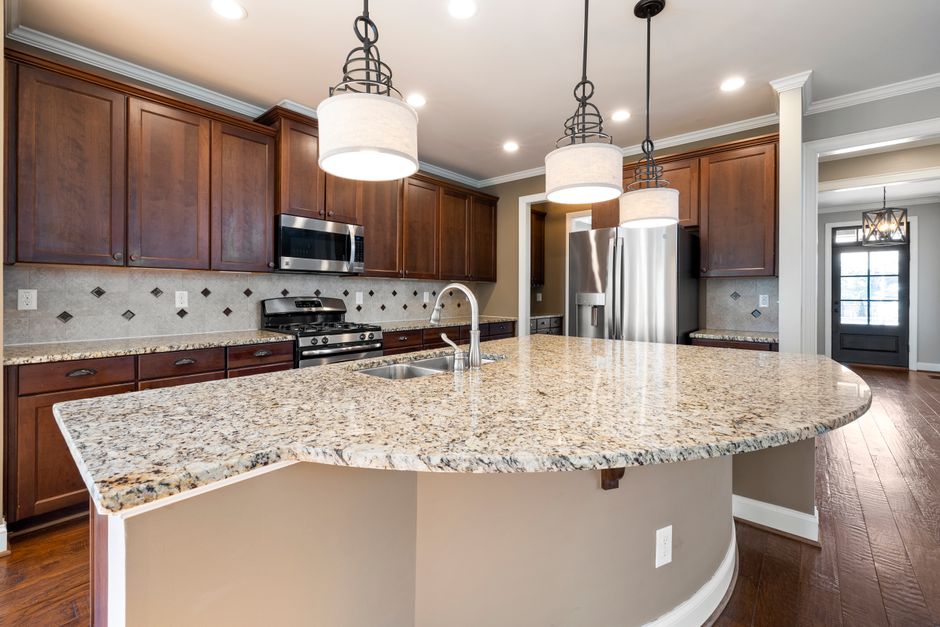
Two beads of silicone that look identical under a flashlight can differ greatly in their skinning stage. A messy seam shows up at the backsplash, as the notes at custom countertops hendersonville nc saber library describe. Getting a clean edge on a new countertop in Hendersonville, NC requires timing the removal process before the material skins over completely.
The Skinning Process
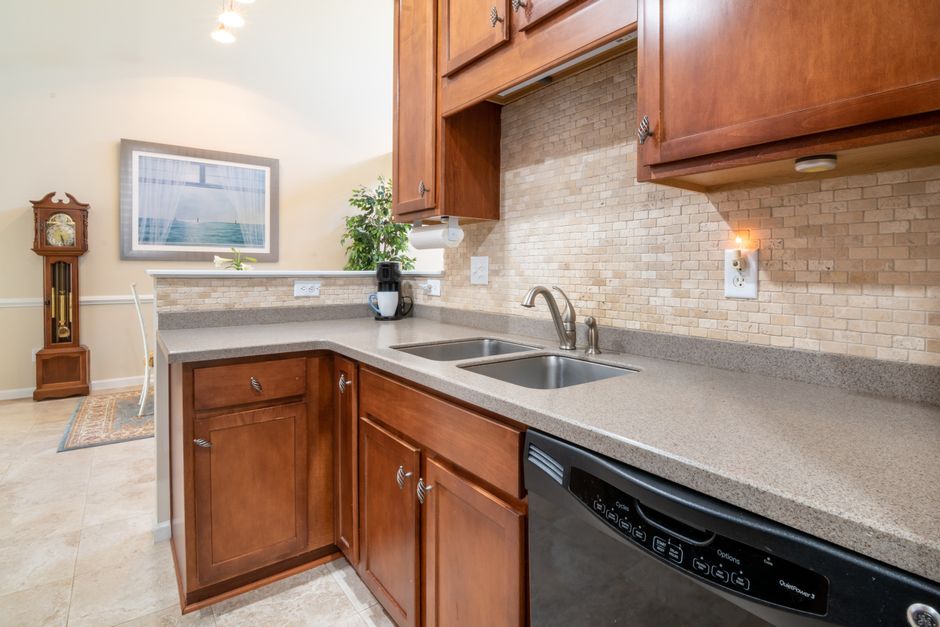
Silicone begins to skin almost immediately after contact with air. This skin creates a membrane that prevents tools from smoothing the bead. If a tool is used after this membrane forms, the sealant tears. This tearing leaves ragged edges on the quartz or granite that require more material to fix. The goal is to remove the excess squeeze out while the material remains fluid. A single pass with a spatula is better than multiple attempts on a partially cured bead.
The Ideal Removal Window
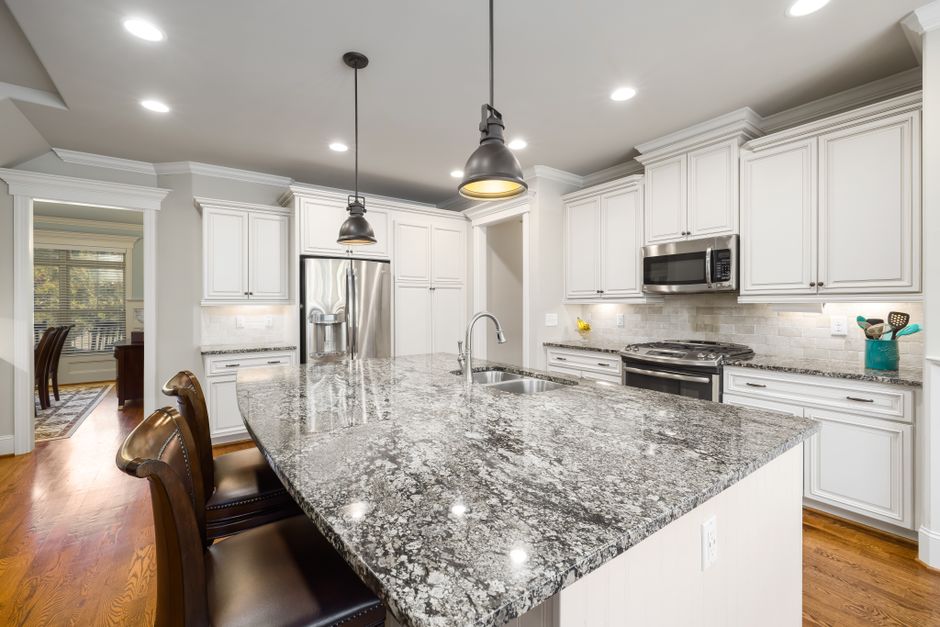
The window for clean removal typically lasts between five and fifteen minutes depending on humidity. In a shop setting in Hendersonville, NC, the air temperature dictates the rate of cure. If the temperature is high, the sealant skins faster. Once the surface feels tacky to a gloved finger, the time for easy removal has passed. Attempting to scrape a skinned bead often pulls the sealant away from the seam placement, leaving a gap. This gap creates a point of failure for water intrusion.
Tool Application and Pressure
A steady hand prevents the tool from digging into the primary bead. When working around a sink cutout, the pressure must be even to avoid dragging the sealant into the seam. Using a piece of masking tape to create a boundary helps contain the excess. For a slab of marble or quartzite, any residue left behind is difficult to clean without damaging the stone. The tool should slide along the edge profile rather than pressing down into the joint. A smooth eased edge or a bullnose requires careful movement to avoid leaving streaks.
Managing Residue
Small amounts of residue often remain after the bulk squeeze out is gone. This residue can be wiped with a lint free cloth dampened with mineral spirits. On a butcher block or laminate surface, chemical cleaners must be used sparingly to avoid staining the material. If the sealant has already skinned, a sharp blade can sometimes shave the excess, but this carries the risk of scratching the surface. A clean finish on a waterfall edge depends on the initial removal being done during that fluid stage.
Final Inspection
A finished joint should show no voids. If a remnant was used for a small project, the same rules apply. The sealant must bond to both the stone and the substrate without air pockets. A dry, uniform bead indicates the timing was correct.