Lippage management in stone tile transitions
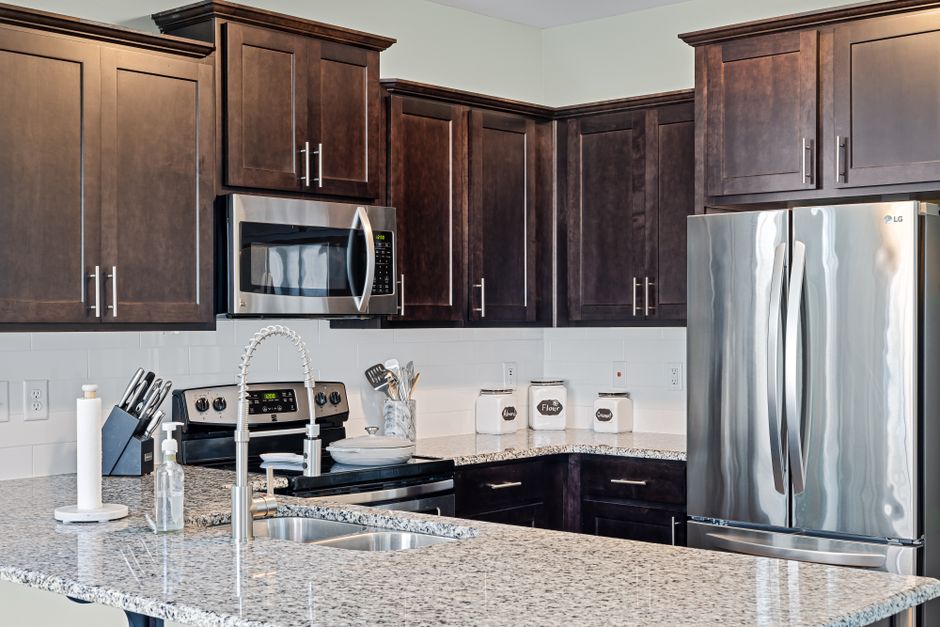
Two millimeters of height difference between adjacent stone tiles creates a lip that catches footwear and light. Details regarding stone installation found at custom countertops hendersonville nc saber library focus on the mechanical realities of slab thickness. A granite countertop in Hendersonville, NC must account for substrate variance to prevent uneven transitions.
Substrate Preparation and Leveling
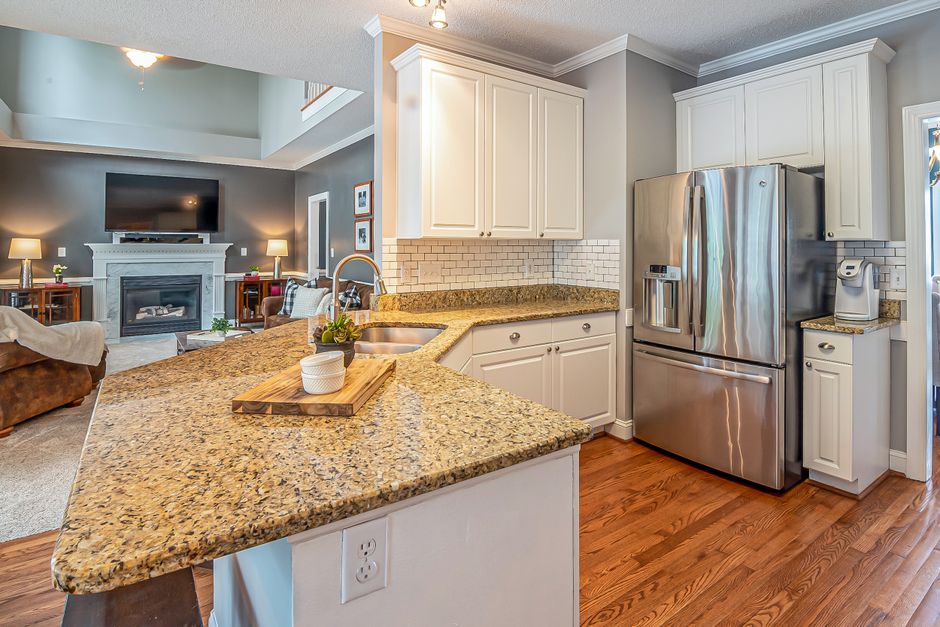
Success starts with a flat plane. Even a perfectly cut slab of quartz will show a lippage issue if the floor or cabinetry underneath lacks stability. Using a leveling system with clips and wedges helps pull tiles into a unified plane. A slight deviation in the mortar bed can cause a marble tile to sit higher than its neighbor. This creates a trip hazard that no amount of grout can hide. Checking the flatness of the subfloor with a straightedge prevents these vertical shifts before the stone is even laid.
Material Thickness Variations
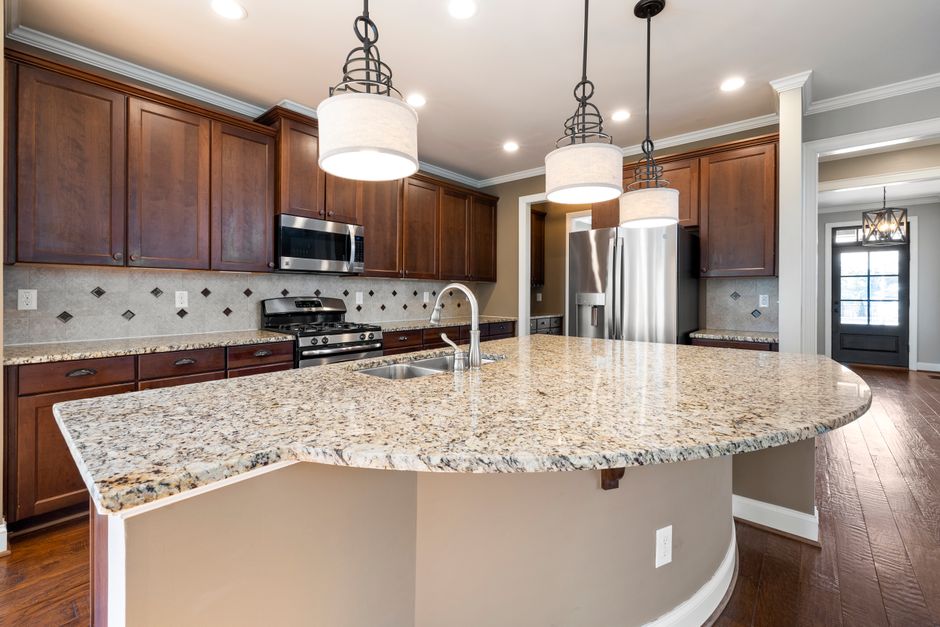
Natural stone like quartzite often possesses inherent thickness variations. Unlike manufactured porcelain, a natural slab may vary by a fraction of an inch across its surface. This means a seam placement must be calculated based on the actual thickness of each piece rather than the nominal measurement. If one piece of stone is thicker, the edge profile will not align with the adjacent material. Precision in the initial measurements ensures the transition remains flush. A digital template captures these minute discrepancies to prevent errors during the cutting phase.
Managing the Seam Transition
A seam represents the most common point for lippage. When joining two pieces of stone, the edges must be perfectly square and polished to the same height. If a sink cutout is performed too close to a seam, the structural integrity of the edge might change, causing a slight tilt. Using a heavy epoxy resin helps fill the gap, but the physical height of the stone must be identical. If a granite piece sits higher than the piece next to it, the seam will act as a wedge. This is particularly noticeable on a waterfall edge where the stone turns vertically.
Edge Profiles and Visual Alignment
The choice of edge profile affects how lippage is perceived. An eased edge hides minor height differences better than a sharp, square edge. A bullnose edge provides a rounded transition that smooths out small discrepancies. However, if the height difference is significant, the profile will look crooked. Proper templating allows for the adjustment of the stone position to minimize these visual breaks. Maintaining a consistent overhang across the entire installation prevents the eye from catching a dip or a rise in the surface.