Mechanical seam support brackets
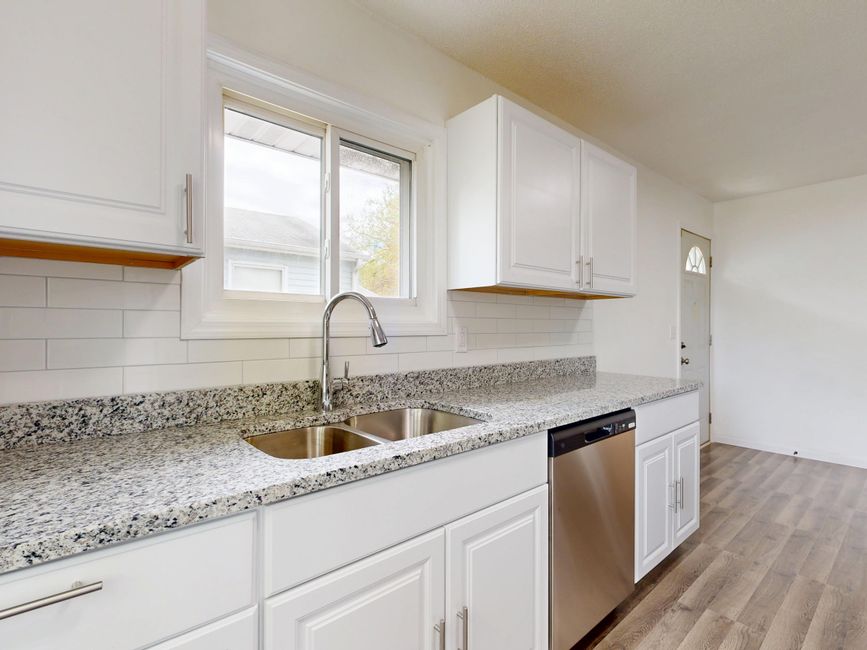
Two slabs that look identical from a distance can have vastly different structural densities. A sagging seam shows up at the junction, as the notes at custom countertops hendersonville nc saber library describe. This issue often plagues a heavy quartz installation in Hendersonville, NC, where the weight of the material puts immense pressure on the joint.
Mechanical Support Requirements
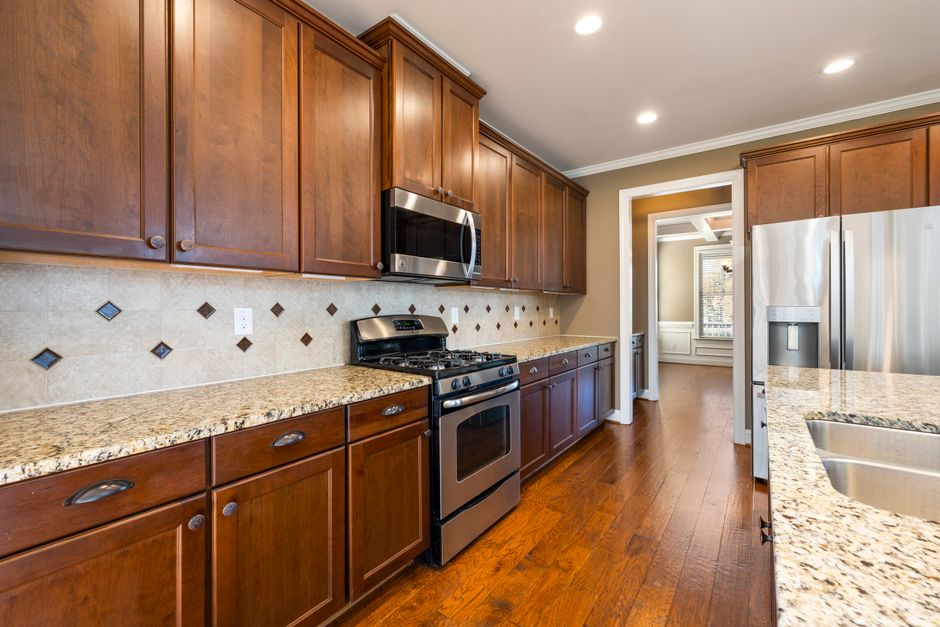
Gravity pulls constant weight on the meeting point of two pieces. A granite slab weighs significantly more than a laminate sheet, requiring specific mechanical reinforcement to prevent a dip in the seam. This sag creates a visible gap and allows liquids to seep into the subbase. Steel brackets or heavy wood cleats provide the necessary tension to hold the two edges flush. A metal support plate, often called a seam setter, pulls the edges together under tension during the curing process.
Material Specific Considerations
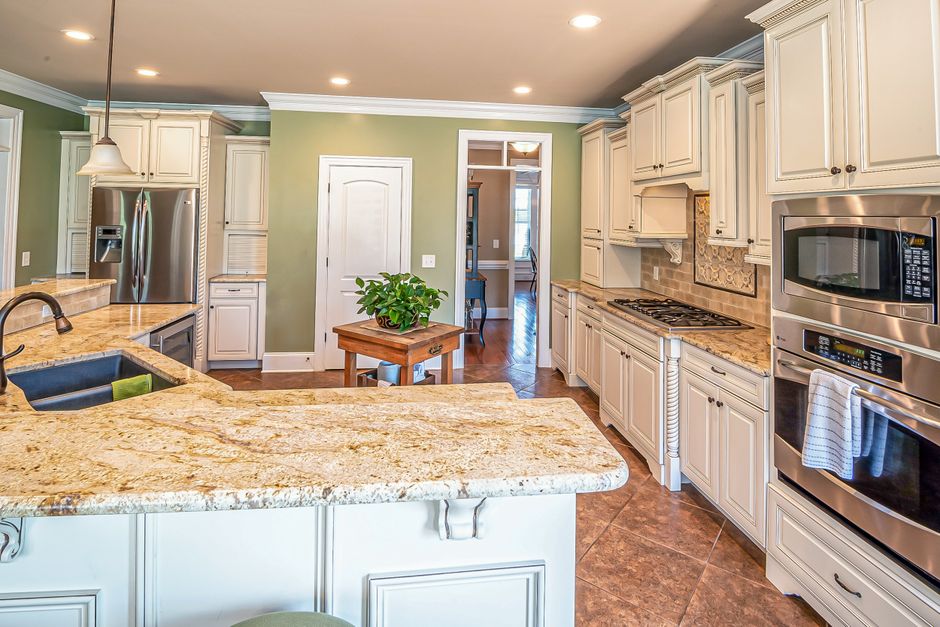
The thickness of the material dictates the bracket type. A thin porcelain piece requires a different approach than a thick quartzite installation. While a butcher block setup can rely on wooden cleats screwed into the cabinetry, stone requires non-reactive metal supports. For a marble surface, the support must be perfectly level to prevent any micro-cracks from forming under the weight of an undermount sink. Improperly placed supports can actually cause a fracture if the bracket is not seated against a flat surface.
Managing the Overhang
Support extends beyond just the seam. An overhang that exceeds ten inches requires steel strapping or corbels. Without these, the weight of a heavy slab will eventually cause the cabinetry to pull or the stone to snap. A waterfall edge adds even more complexity, as the vertical plane must be tied into the horizontal support system to maintain alignment. Proper templating ensures that the brackets line up with the cabinet rails for maximum stability.
Installation Mechanics
Stability starts with the cabinet carcass. The subbase must be level before the stone is laid. A digital template helps determine the exact position for every cutout and support point. For a large sink cutout, the remaining material is weakened, making additional reinforcement around the perimeter necessary. Every seam placement must account for the natural flex of the wood cabinets below. A well-installed support bracket remains invisible from the top view but carries the entire load of the junction.