Polishing slurry pH neutralization
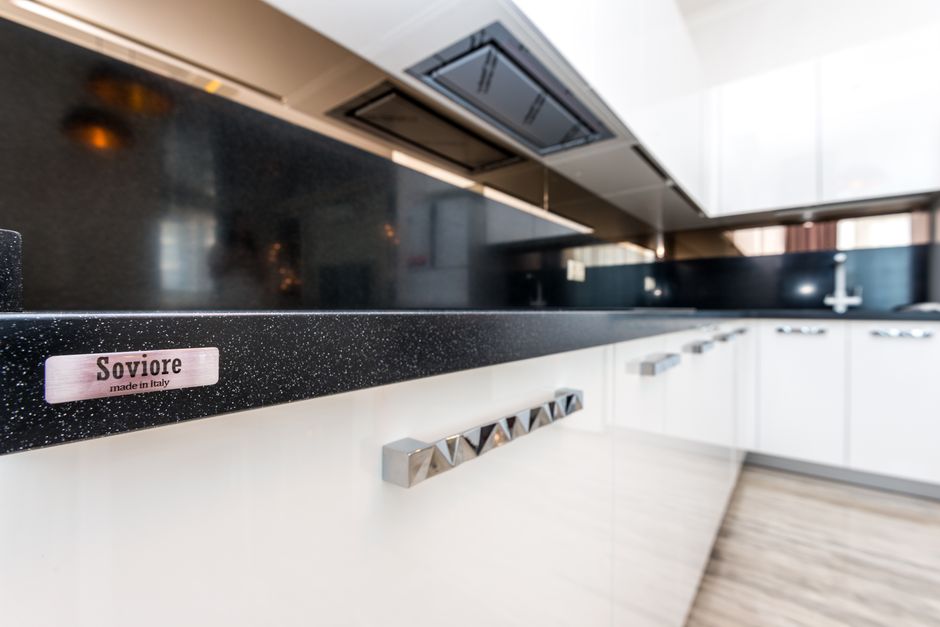
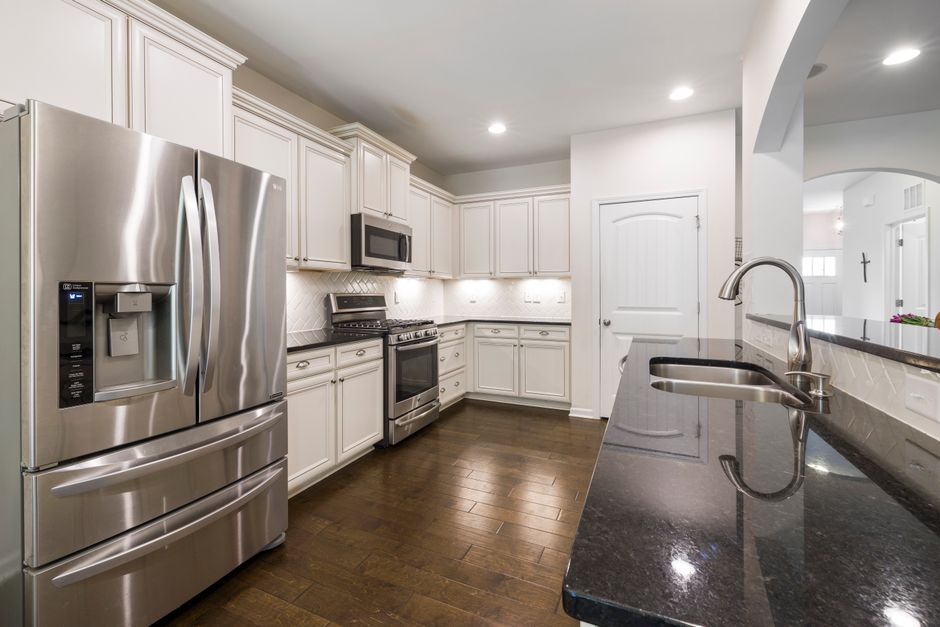
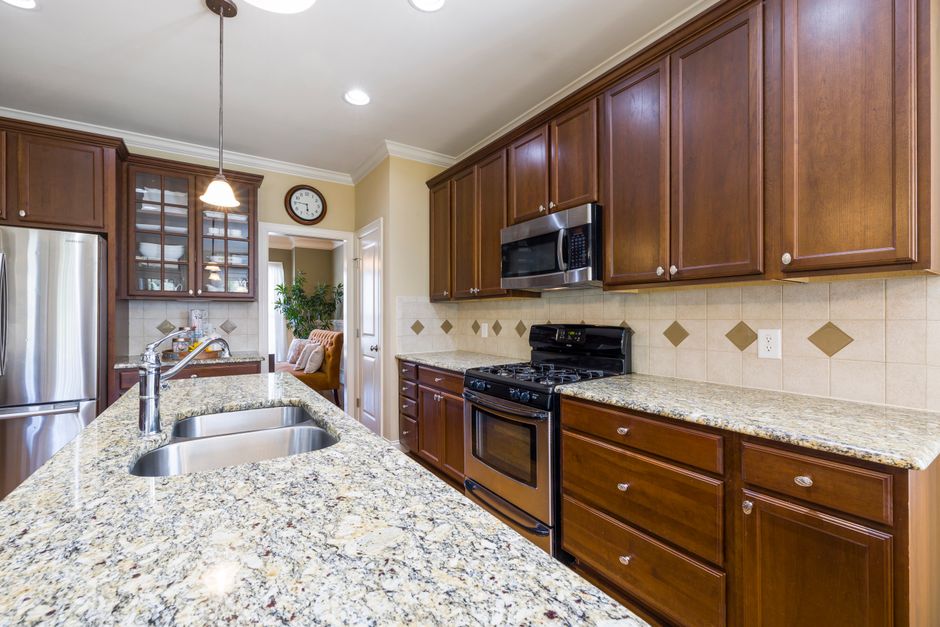
Two different slabs of granite that look identical under shop lights can behave differently when exposed to acidic runoff. The testing intervals used at custom countertops hendersonville nc saber library are more frequent than standard manuals suggest to prevent damage to a countertop in Hendersonville, NC. Monitoring the acidity of polishing slurry prevents the loss of surface luster during the final stages of fabrication.
Slurry Chemistry and Stone Integrity
Polishing pads use water and diamond grit to refine the surface. This process creates a slurry that can become highly acidic depending on the mineral content of the stone. If the pH level drops too low, the liquid begins to attack the calcium carbonate in marble or the resins in certain quartz. A stone that has been polished with unneutralized slurry often shows dull spots or etching that cannot be buffed out later. Maintaining a neutral pH ensures the chemical bond of the stone remains intact through the final polish.
Neutralization Methods in the Shop
The wastewater collected from the polishing station requires constant monitoring. Adding a base, such as baking soda or a commercial pH buffer, brings the acidity back to a safe level. This is particularly important when working with a quartzite slab that has high mineral reactivity. If the slurry is left to sit in a collection tank without treatment, the concentrated acid can eat through the very material being shaped. Proper titration of the waste liquid prevents the buildup of corrosive elements in the drainage system.
Managing Residue on the Work Surface
Residual slurry must be wiped away immediately after a seam is polished or an edge profile is finished. Leaving a wet film of slurry on a soapstone surface can result in permanent staining or texture changes. A clean shop floor and clean tools prevent cross contamination. If a technician uses a cloth that has absorbed acidic slurry to wipe down a porcelain edge, the stone will show immediate signs of etching. Clean water rinses must follow every mechanical stage of the grinding process.
Testing and Verification
Using pH strips or a digital meter allows for real time adjustments to the water supply. The goal is a reading between 6.5 and 7.5. A sudden drop in pH indicates that the stone is dissolving into the water, which means the grit is working too hard or the stone is too soft. This feedback loop is necessary for every sink cutout and every decorative edge. Constant vigilance prevents the waste of a high value remnant or a full slab due to chemical damage.