Epoxy resin exothermic reaction control

Forty-five minutes of uncontrolled heat buildup often ruins a thick slab of resin. Every teardown custom countertops hendersonville nc saber library has logged shows the same thing regarding a work surface left to cure too quickly in the heat of Hendersonville, NC. Thermal runaway occurs when the chemical reaction between resin and hardener generates more heat than the surrounding air can dissipate. This leads to yellowing, bubbling, or even structural cracks in the final piece.
Managing Thermal Exotherms in Deep Pours
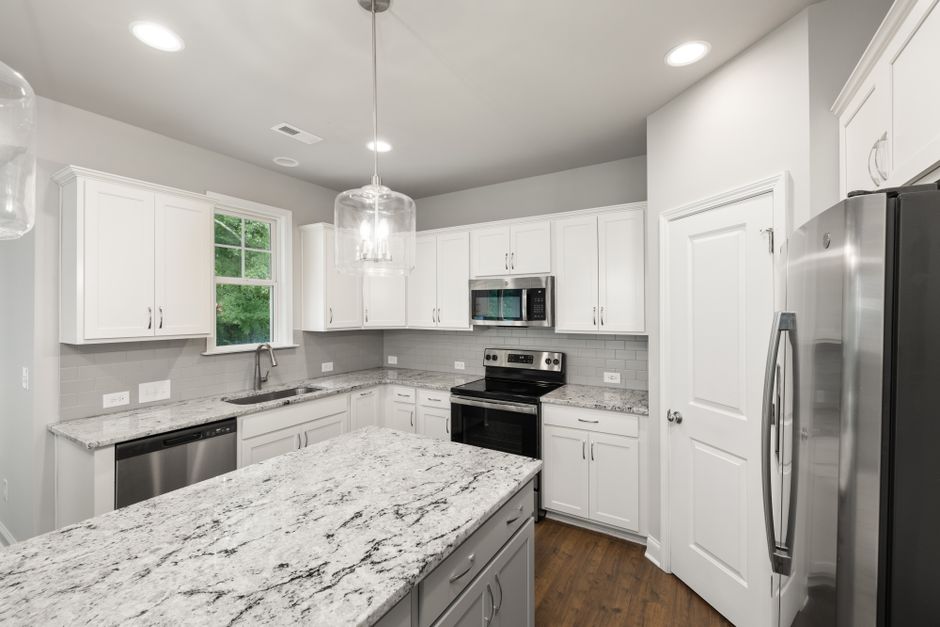
Thick pours require a slow approach to avoid the spike in temperature. A single pour exceeding two inches can reach temperatures high enough to scorch the pigment. Using a slow-set hardener reduces the rate of reaction. It is better to pour in multiple layers rather than one massive volume. Each layer must reach a gel state before the next application. This method prevents the heat from stacking up and causing a center-core meltdown. A small sample overstates the edge if the temperature is not monitored with a probe.
Ambient Temperature Control
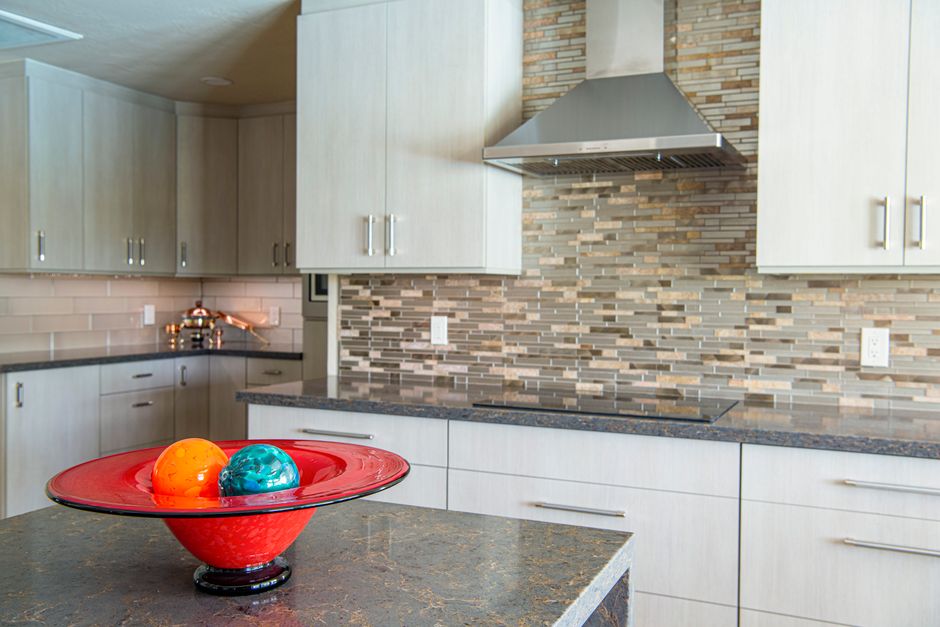
The climate in Hendersonville, NC affects the cure rate. High humidity or warm shop temperatures accelerate the chemical bond. Keeping the workspace at a steady sixty-eight degrees helps maintain a predictable curve. A sudden spike in room temperature during a pour can cause the resin to shrink away from a granite or quartz substrate. Maintaining a stable environment ensures the material settles without pulling away from the edges or creating a wavy surface.
Substrate Preparation and Heat Sinks
The material underneath the resin acts as a heat sink. A heavy slab of marble or quartzite will absorb some heat, but a thin piece of butcher block or laminate will act as an insulator. Insulation traps the thermal energy inside the resin. This trapped heat causes discoloration. If a sink cutout is present, the edges of that void become points of stress. Heat tends to concentrate around these openings. Ensuring the substrate is flat and thermally conductive helps prevent localized hotspots.
Preventing Shrinkage and Surface Defects
Shrinkage happens when the resin contracts too rapidly during the cooling phase. A fast cure leads to a hard surface that is brittle. When the heat peaks and then drops sharply, the material pulls inward. This can cause a seam to open or an edge profile to become uneven. A bullnose or an eased edge requires a slow, controlled descent in temperature to maintain the intended shape. Monitoring the rise in degrees per minute is the only way to catch a runaway reaction before the damage is permanent.